
Understanding How Level Sensors Work
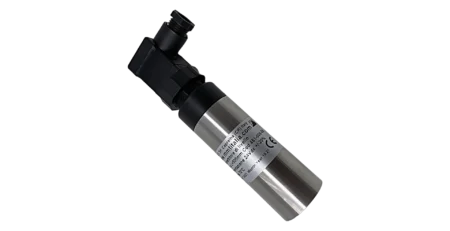
When it comes to continuous level measurement, a level sensor offers real-time readings, displaying the data either in analog or digital formats. Some devices express fill levels as a percentage, while others convert measurements into electrical signals like voltage or current. In pressure-based systems, the results are typically shown in units like bars or as water column heights.
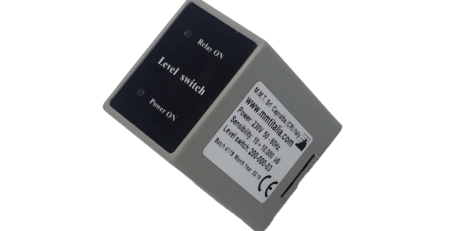
In contrast, level switches (a type of point level sensor) don’t measure continuously. Instead, they generate a signal or activate a switch when the material or liquid reaches a predefined threshold.
Where Are Level Sensors Used?
The uses for level sensors are virtually limitless across industries. From monitoring fluid levels in chemical plants to managing bulk material storage in agriculture, these devices help:
- Detect leaks or losses
- Prevent equipment from running dry
- Avoid overfilling
- Enhance overall safety by reducing explosion risks and system failures
No matter the sector, having accurate and reliable level measurement is critical for smooth operations.
Pros and Cons of Level Sensors
When properly selected, a level sensor can deliver incredibly precise readings. However, it’s important to pick the right type for your environment. Some technologies may be sensitive to factors like dust, foam, or impurities in the medium being measured. Fortunately, certain level sensors can operate seamlessly even through container walls, offering flexible installation options. Thanks to the wide range of available technologies, there’s always a solution suited to your particular needs.
Level Controllers Explained
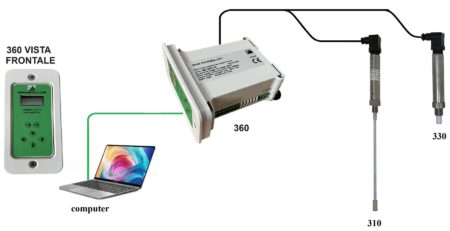
In addition to sensors, level controllers are another important component. These devices actively manage and control liquid levels in tanks, wells, and other storage systems. They send commands to pumps, valves, or alarms to maintain optimal levels and ensure system protection.
Discover Our Level Sensor and Controller Solutions
We offer a wide range of level management products designed for various industrial needs:
200 Series Conductivity-Based Removable Level Controller
Maintains the level of conductive liquids, powders, or solids, and offers alarm signaling for overflow, underfill, and dry-run conditions.
201 Series Delayed Conductivity-Based Removable Level Controller
Adds delayed response features for better system protection while managing conductive substances.
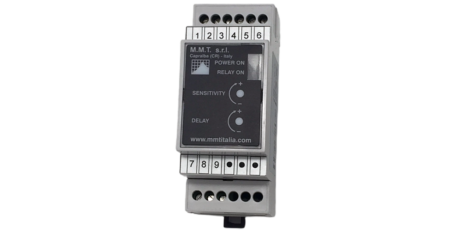
203 Series DIN-Rail Mounted Conductivity-Based Level Controller
Ideal for panel installation, regulating levels of conductive liquids and solids within defined parameters.
204 Series Delayed DIN-Rail Mounted Conductivity-Based Level Controller
Designed for conductive media, offering delay functions to prevent frequent pump cycling and reduce wear.
Need Level Sensors and Controllers for Your Project?
If you're planning your next industrial project and need top-quality level sensors or level controllers, we’re here to help!
Contact us: our experts will guide you to the right solution.